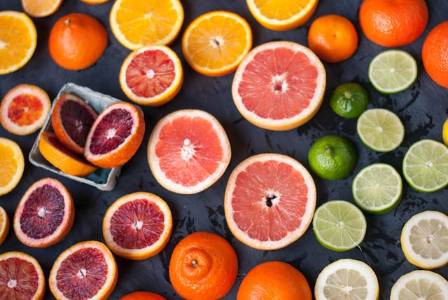
Citrus fruits—encompassing oranges, lemons, tangerines, limes, grapefruits, and lesser-known varieties like clementines, pomelos, and kumquats—are among the most beloved and widely consumed fruits globally. Native to the tropical and subtropical regions of Asia and Oceania, these vibrant, juicy fruits have spread across continents, adapting to diverse climates and becoming staples in diets from Mediterranean cuisine to Latin American households. Beyond their refreshing flavor and versatility, citrus fruits are nutritional powerhouses: low in calories (typically 40–80 calories per fruit), virtually fat-free, and packed with essential nutrients, antioxidants, and fiber. Whether enjoyed as a quick snack, squeezed into juice, zested into recipes, or added to salads, regular consumption of citrus fruits offers a myriad of health benefits that positively impact nearly every system in the body. From supporting heart health to boosting immunity and enhancing skin vitality, these fruits are far more than just a tangy treat—they’re a simple, accessible way to elevate overall wellness.
You’ll Meet Your Daily Fiber Goals with Soluble and Insoluble Benefits
Fiber is a non-negotiable nutrient for digestive health, blood sugar regulation, and cardiovascular wellness, yet most adults fall short of the recommended daily intake (25 grams for women and 38 grams for men, or 14 grams per 1,000 calories consumed). Citrus fruits are an excellent source of both soluble and insoluble fiber, making them a convenient way to bridge this gap. One small orange provides 2.3 grams of fiber, a large tangerine offers 2.1 grams, and half a medium grapefruit delivers 1.6 grams—adding up quickly when incorporated into daily meals. The majority of citrus fiber is pectin, a soluble fiber that forms a gel-like substance in the digestive tract. This gel slows the absorption of sugars, preventing sharp spikes in blood glucose (a boon for people with diabetes or those at risk) and promoting feelings of fullness, which can aid in weight management by curbing overeating. Pectin also binds to LDL (“bad” cholesterol) and bile acids in the intestines, facilitating their excretion and lowering overall cholesterol levels—a key factor in reducing heart disease risk. The remaining fiber is insoluble, which adds bulk to stool, stimulates intestinal motility, and prevents constipation by promoting regular bowel movements. Together, these two types of fiber support a healthy gut microbiome, as soluble fiber acts as a prebiotic, feeding the beneficial bacteria that aid in digestion and immune function.
Your Heart Health Gets a Powerful Boost from Antioxidants and Key Nutrients
Heart disease remains the leading cause of death worldwide, but dietary choices—including regular citrus consumption—can significantly reduce risk. Citrus fruits are rich in flavonoids, a group of antioxidants with potent anti-inflammatory and cardioprotective properties. Compounds like hesperidin (found in oranges and tangerines), naringin (in grapefruits and lemons), and quercetin (in limes) help reduce inflammation in blood vessels, improve endothelial function (the lining of arteries), and prevent the oxidation of LDL cholesterol—all of which contribute to a lower risk of atherosclerosis (plaque buildup in arteries) and subsequent heart attacks or strokes. Vitamin C, another abundant antioxidant in citrus, reinforces these benefits by protecting cells from oxidative stress and supporting collagen production, which helps maintain the elasticity of blood vessels. Beyond antioxidants, citrus fruits provide folate and potassium—two nutrients critical for heart health. Folate (vitamin B9) breaks down homocysteine, an amino acid that, when elevated, damages blood vessels and increases heart disease risk. Potassium, meanwhile, counteracts the effects of sodium by promoting its excretion through urine, helping to regulate blood pressure and reduce strain on the heart. A 2021 study published in Nutrients found that individuals who consumed citrus fruits regularly had a 10–15% lower risk of cardiovascular disease compared to those who rarely ate them, highlighting the cumulative protective effects of these nutrients.
Your Body Absorbs Iron and Other Nutrients More Effectively
Many people—especially vegetarians, vegans, and women of childbearing age—struggle with iron deficiency, as plant-based sources of iron (non-heme iron) are less readily absorbed by the body than heme iron from animal products. Citrus fruits solve this problem by providing high levels of vitamin C, which acts as a powerful enhancer of non-heme iron absorption. Vitamin C forms a complex with iron, making it easier for the intestines to absorb and transport to cells. For example, eating a spinach salad (rich in non-heme iron) with a squeeze of lemon juice or a side of orange slices can double or even triple the amount of iron your body absorbs. This synergy is crucial for preventing iron-deficiency anemia, which causes fatigue, weakness, and impaired immune function. Iron is essential for producing hemoglobin, the protein in red blood cells that carries oxygen throughout the body, and for supporting immune cell activity. Vitamin C also enhances the absorption of other minerals like copper and zinc, further boosting overall nutrient utilization. By simply pairing citrus with iron-rich plant foods—such as lentils, chickpeas, tofu, or quinoa—you can maximize the nutritional value of your meals and support long-term health.
You’ll Stay Hydrated with a Refreshing, Low-Calorie Option
Hydration is vital for every bodily function, from regulating body temperature and lubricating joints to supporting digestion and cognitive performance. While drinking water is the most direct way to stay hydrated, water-rich foods like citrus fruits contribute significantly to daily fluid intake. Citrus fruits are composed of 85–95% water: one small orange is approximately 87% water, a cup of unsweetened grapefruit juice is 91% water, and a medium lemon is 89% water. Unlike sugary drinks or processed beverages, citrus fruits provide hydration without added calories, artificial sweeteners, or preservatives. For men, who need about 125 ounces (3.7 liters) of fluid daily, and women, who require 91 ounces (2.7 liters), incorporating citrus into meals and snacks can help meet these targets—especially for those who struggle to drink enough water. Staying adequately hydrated also supports skin health by maintaining moisture, aids in detoxification by flushing waste products through the kidneys, and prevents constipation by softening stool. Whether you snack on a tangerine mid-morning, add lime slices to your water bottle, or enjoy a grapefruit for breakfast, citrus fruits offer a refreshing and nutritious way to stay hydrated throughout the day.
Your Colds May Be Shorter and Less Severe (Thanks to Vitamin C)
For decades, vitamin C has been associated with immune support, and while it can’t prevent colds, research shows it can reduce their duration and severity—especially in people with low vitamin C levels or those under physical stress. Citrus fruits are one of the best dietary sources of vitamin C: six ounces of orange juice provides 103% of the Daily Value (DV), one whole orange delivers 78% of the DV, half a medium grapefruit offers 43% of the DV, and a single lemon contains 31% of the DV. Vitamin C supports the immune system by stimulating the production and function of white blood cells (such as neutrophils and lymphocytes), which fight off infections, and by enhancing the production of interferons—proteins that help prevent viruses from replicating. A 2013 review in The Cochrane Library found that regular vitamin C supplementation (equivalent to eating 1–2 oranges daily) reduced the duration of colds by 8% in adults and 14% in children, and decreased symptom severity by reducing congestion, sore throat, and fatigue. For people exposed to extreme physical activity (like athletes) or cold climates, the benefits were even more pronounced. By incorporating citrus fruits into your daily diet, you can maintain optimal vitamin C levels and give your immune system an extra layer of protection against seasonal illnesses.
Your Skin May Look More Supple, Youthful, and Protected
Vitamin C is often hailed as a “skin supernutrient,” and for good reason—it plays a central role in collagen synthesis, the process that produces the structural protein responsible for skin’s firmness, elasticity, and smoothness. As we age, collagen production naturally declines, leading to wrinkles, sagging, and dryness. Regular intake of vitamin C from citrus fruits can help slow this process by supporting collagen formation, keeping skin looking supple and youthful. Additionally, vitamin C is a potent antioxidant that protects skin cells from damage caused by ultraviolet (UV) radiation, pollution, and free radicals—all of which contribute to premature aging, dark spots, and skin cancer. A 2017 review in Nutrients found that high fruit and vegetable intake (with citrus as a key component) was associated with a reduced risk of visible signs of aging, such as fine lines and age spots. The antioxidants in citrus also help reduce inflammation in the skin, which can alleviate redness, acne, and irritation. While citrus alone won’t replace sunscreen or a skincare routine, it complements these efforts by nourishing skin from the inside out. For an extra boost, try adding citrus zest to your meals—zest contains concentrated levels of antioxidants and essential oils that support skin health.
You’ll Load Up on Potassium for Fluid Balance and Muscle Function
Potassium is an essential mineral that plays a critical role in regulating fluid balance, muscle contractions, nerve function, and blood pressure. Most adults need 2,600–3,400 milligrams of potassium daily, but many fall short due to diets high in processed foods (which are high in sodium and low in potassium). Citrus fruits are a convenient source of potassium: one small orange provides 181 milligrams, half a medium grapefruit offers 144 milligrams, and a medium tangerine delivers 131 milligrams. Potassium works in tandem with sodium to maintain the body’s electrolyte balance, ensuring that cells function properly. It helps muscles contract efficiently—including the heart muscle, which relies on potassium for regular heartbeat—and prevents muscle cramps and weakness. By promoting sodium excretion, potassium also helps lower blood pressure, reducing the risk of hypertension, heart disease, and stroke. Additionally, potassium supports bone health by increasing calcium absorption and reducing calcium loss through urine, which may help prevent osteoporosis. For people with high blood pressure or those looking to improve cardiovascular health, incorporating potassium-rich citrus fruits into a low-sodium diet is a simple, effective strategy.
Nutrition Facts: A Comparative Look at Common Citrus Varieties
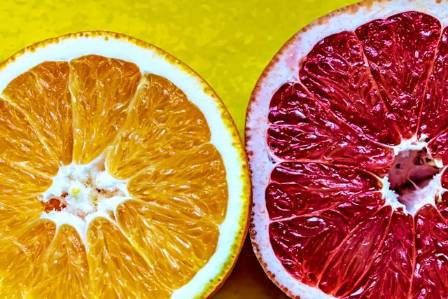
While all citrus fruits share core nutritional benefits, their exact nutrient profiles vary slightly by variety. Here’s a breakdown of key nutrients in popular citrus fruits (per small to medium serving):
Small orange (96g): 45 calories, 2.3g fiber, 31mg vitamin C (34% DV), 181mg potassium, 0g fat, 0mg sodium.
Medium tangerine (88g): 40 calories, 2.1g fiber, 23mg vitamin C (26% DV), 131mg potassium, 0g fat, 0mg sodium.
Half medium grapefruit (123g): 52 calories, 1.6g fiber, 38mg vitamin C (42% DV), 144mg potassium, 0g fat, 0mg sodium.
Medium lemon (58g): 15 calories, 1.6g fiber, 31mg vitamin C (34% DV), 80mg potassium, 0g fat, 1mg sodium.
Medium lime (67g): 20 calories, 1.3g fiber, 19mg vitamin C (21% DV), 68mg potassium, 0g fat, 2mg sodium.All citrus fruits are low in calories, fat, and sodium, and high in antioxidants like flavonoids and carotenoids (which convert to vitamin A in the body). They also contain small amounts of B vitamins, magnesium, and calcium, making them a well-rounded addition to any diet.
What to Watch Out For: Potential Considerations
While citrus fruits are generally safe and beneficial for most people, there are a few key considerations to keep in mind. First, whole citrus fruit is almost always a better choice than juice. The juicing process removes most of the fiber (which is crucial for blood sugar control and satiety) and concentrates sugars, leading to higher calorie and carbohydrate content per serving. For example, one cup of orange juice (240ml) contains 112 calories and 26g of sugar—nearly the same as a can of soda—while a whole orange has 45 calories and 9g of sugar, plus fiber to slow sugar absorption. This is especially important for people with diabetes, obesity, or those watching their sugar intake. Second, grapefruit and grapefruit juice can interact with over 80 different medications, including statins (for high cholesterol), blood pressure drugs, anti-anxiety medications, and some cancer treatments. Grapefruit contains compounds that inhibit cytochrome P450 enzymes in the liver, which break down medications—this can lead to dangerous levels of the drug in the bloodstream. Always check with a doctor or pharmacist before consuming grapefruit if you’re taking prescription medications. Finally, some people may experience acid reflux or heartburn from citrus fruits due to their high acidity. If this occurs, try eating citrus with meals (rather than on an empty stomach) or opt for less acidic varieties like tangerines or clementines.
Practical Tips to Incorporate More Citrus Into Your Diet
Eating five servings of fruits and vegetables daily is associated with a lower risk of chronic diseases like cancer, heart disease, and respiratory illness—and citrus fruits make it easy to reach this goal. Here are some creative, delicious ways to add more citrus to your diet:
Start your day with citrus: Add orange or grapefruit slices to your oatmeal, yogurt, or cereal, or squeeze fresh lemon into your morning water or tea.
Elevate savory dishes: Zest lemon or lime over grilled chicken, fish, or roasted vegetables for a bright, tangy flavor. Use citrus juice as a base for salad dressings (mix with olive oil, Dijon mustard, and herbs) or marinades for tofu or shrimp.
Snack smart: Keep clementines, tangerines, or mini oranges in your bag for a quick, portable snack. Pair citrus slices with nuts or cheese for a balanced midday pick-me-up.
Add to salads and bowls: Toss grapefruit segments, orange chunks, or lime zest into green salads, quinoa bowls, or grain bowls for a burst of flavor and nutrition.
Bake with citrus: Incorporate orange or lemon zest into muffins, cookies, or bread for a fragrant twist. Use citrus juice to sweeten sauces for desserts like cheesecake or panna cotta.
Make homemade juice (in moderation): If you enjoy citrus juice, make it fresh at home to avoid added sugars, and limit servings to 4–6 ounces (120–180ml) per day.
Final Thoughts: Citrus as a Cornerstone of a Balanced Diet
Regular consumption of citrus fruits offers a wide range of health benefits, from supporting heart health and immunity to enhancing digestion and skin vitality. These fruits are affordable, widely available, and incredibly versatile—making them an easy addition to any diet, regardless of dietary preferences or lifestyle. Whether you prefer the sweetness of an orange, the tang of a lemon, or the bitterness of a grapefruit, citrus fruits provide a nutrient-dense, low-calorie way to boost overall wellness. To maximize benefits, opt for whole fruits over juice, pair citrus with iron-rich foods to enhance absorption, and check for medication interactions if you eat grapefruit regularly. By making citrus a staple in your meals and snacks, you’re not just adding flavor—you’re investing in long-term health, one juicy bite at a time.